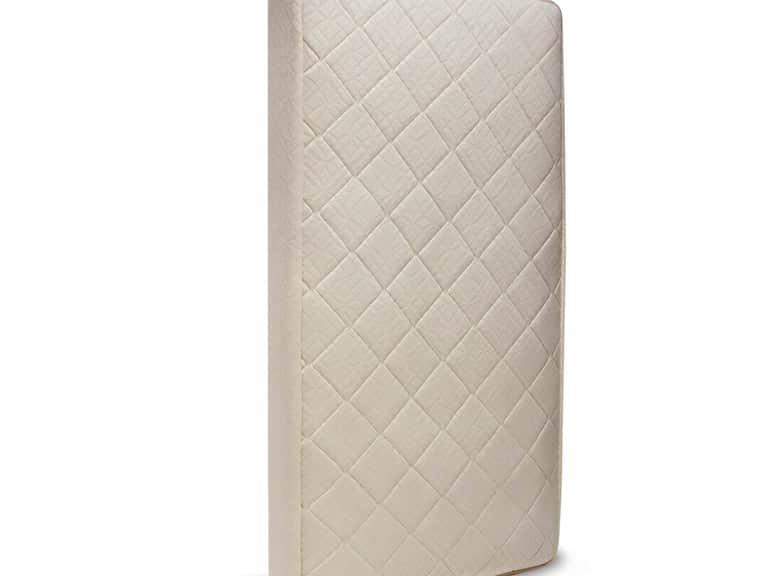
Crib mattresses provide a firm, supportive sleep surface sized for an infant crib. Fit, firmness, and construction are important considerations because the mattress should sit securely within the crib frame without noticeable gaps. Materials and care requirements also help families assess how a mattress may suit everyday nursery use.
Organic crib mattresses are made with materials selected to meet particular environmental or ingredient preferences. The Obasan Organic Crib Mattress is an example of an organic mattress designed for crib use, combining a supportive sleep surface with an emphasis on organic materials. Its construction may be relevant to caregivers comparing material choices in nursery bedding.
The Naturepedic Ultra Breathable 2-Stage Organic Crib Mattress is designed with two stages to accommodate changing sleep needs as a child grows. Its breathable construction is intended to support airflow at the sleep surface, while the two-stage design provides distinct sides for infant and toddler use. These features combine usability with an organic-material focus.
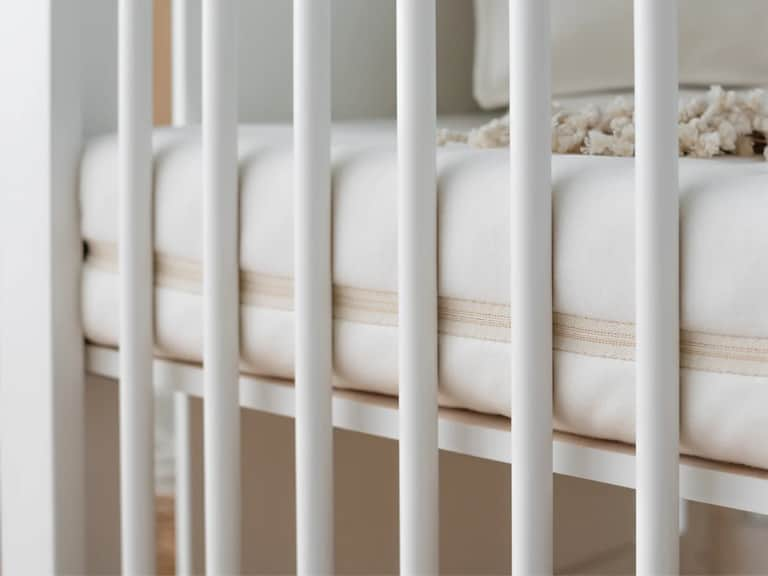
When evaluating crib mattresses, consider dimensions, firmness, material composition, breathability, and cleaning instructions. A well-fitting mattress should align with the crib manufacturer’s guidance, and sheets should fit snugly around its edges. These practical details help caregivers assess comfort, maintenance, and compatibility as part of a safe sleep setup.
Crib mattresses are one element of a broader bedding environment that may include fitted sheets and other nursery linens. Product descriptions can help distinguish organic mattresses from other options and clarify their construction and care. Pillows and memory foam pillows serve different sleep settings and are not substitutes for an infant’s firm, flat crib surface.
 Nursery